
Antiquing Gilded Finishes
Tone, soften, and age gold leaf and metal leaf surfaces with control and intention
Antiquing transforms a bright, newly gilded surface into something with depth, history, and character. Whether you're softening the brilliance of genuine gold leaf or adding contrast to imitation leaf, the right antiquing approach allows you to control tone, highlight detail, and create a more natural, time-worn finish.
From subtle glazing to heavier patina effects, this section walks through the core methods used by professionals to age and refine gilded surfaces across furniture, frames, decorative objects, and architectural elements.
Start with Control, Not Coverage
Antiquing is not about covering the gold — it's about selectively reducing brightness and introducing contrast. Work in thin layers, build slowly, and always allow the character of the leaf to show through.
Glazing & Tonal Washes
Apply thin layers of tinted glaze over sealed leaf to gently mute brightness and unify tone. Ideal for subtle aging and interior decorative work.
Bitumen & Wax Antiquing
Use darker waxes or bitumen-based finishes to settle into recesses and highlight texture. Common for frames, moldings, and carved details.
Distressing & Reduction
Light abrasion, selective removal, or controlled wear techniques to expose bole or substrate and create authentic age variation.
Surface Preparation
Antiquing requires a sealed surface. Use shellac, acrylic topcoats, or burnish sealers depending on whether the leaf is genuine or imitation.
Material Selection
Choose from glazes, waxes, pigments, or patina solutions. The material determines both the working time and final effect.
Application Tools
Soft brushes, cloths, and sponges allow controlled application and removal. Keep tools clean to avoid muddying the finish.
Working in Layers
Build effects gradually. Multiple light passes create depth without obscuring the brilliance of the leaf.
Highlighting Detail
Focus antiquing in recesses and shadow areas to enhance carving, texture, and dimensionality.
Final Protection
Lock in the finish with a compatible topcoat when needed, especially for high-touch or exterior applications.
Professional Insight
The most effective antiquing work is restrained. Avoid over-darkening or flattening the surface. Instead, think in terms of contrast and balance — preserving highlights while deepening shadows. A well-antiqued gilded finish should feel natural, not applied, with variation that enhances rather than hides the craftsmanship underneath.
Shop by Project
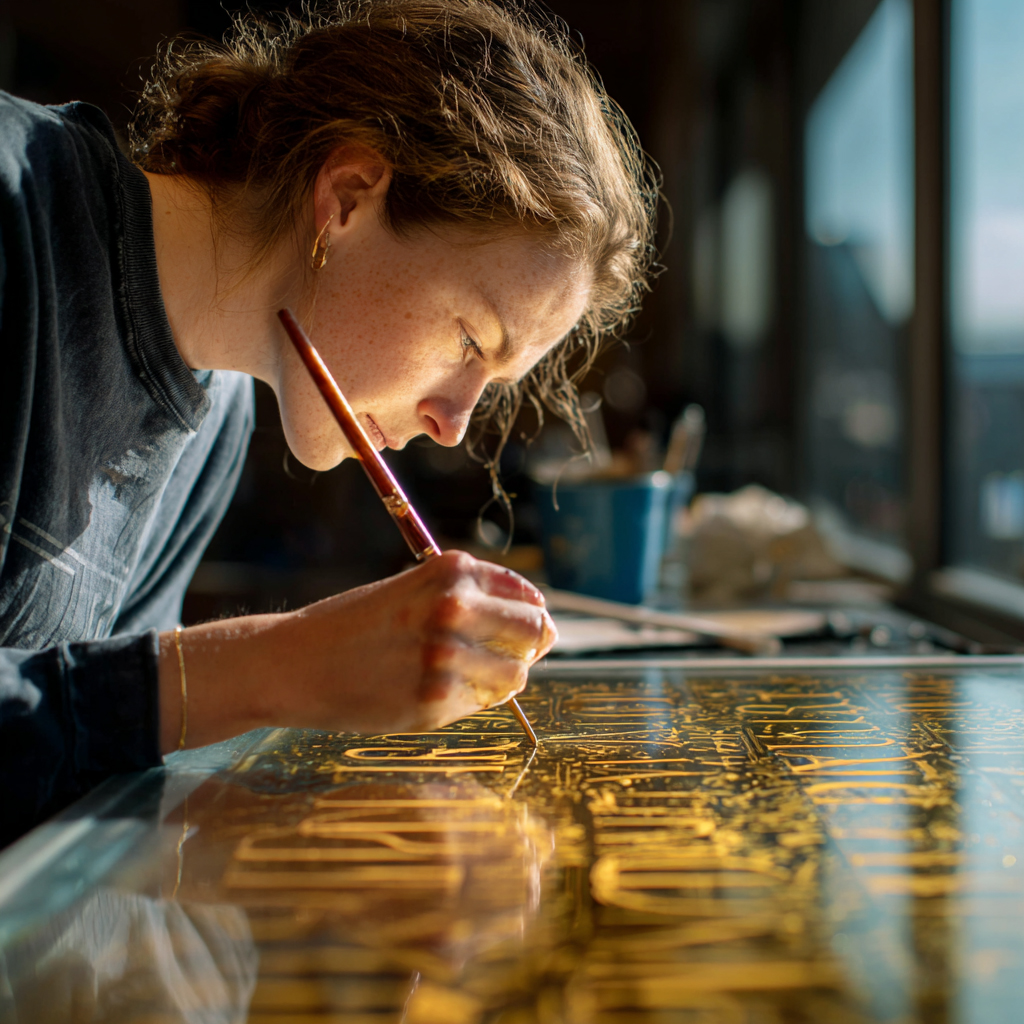
Glass Gilding
Reverse gilding, verre églomisé, signage, and decorative glass work.
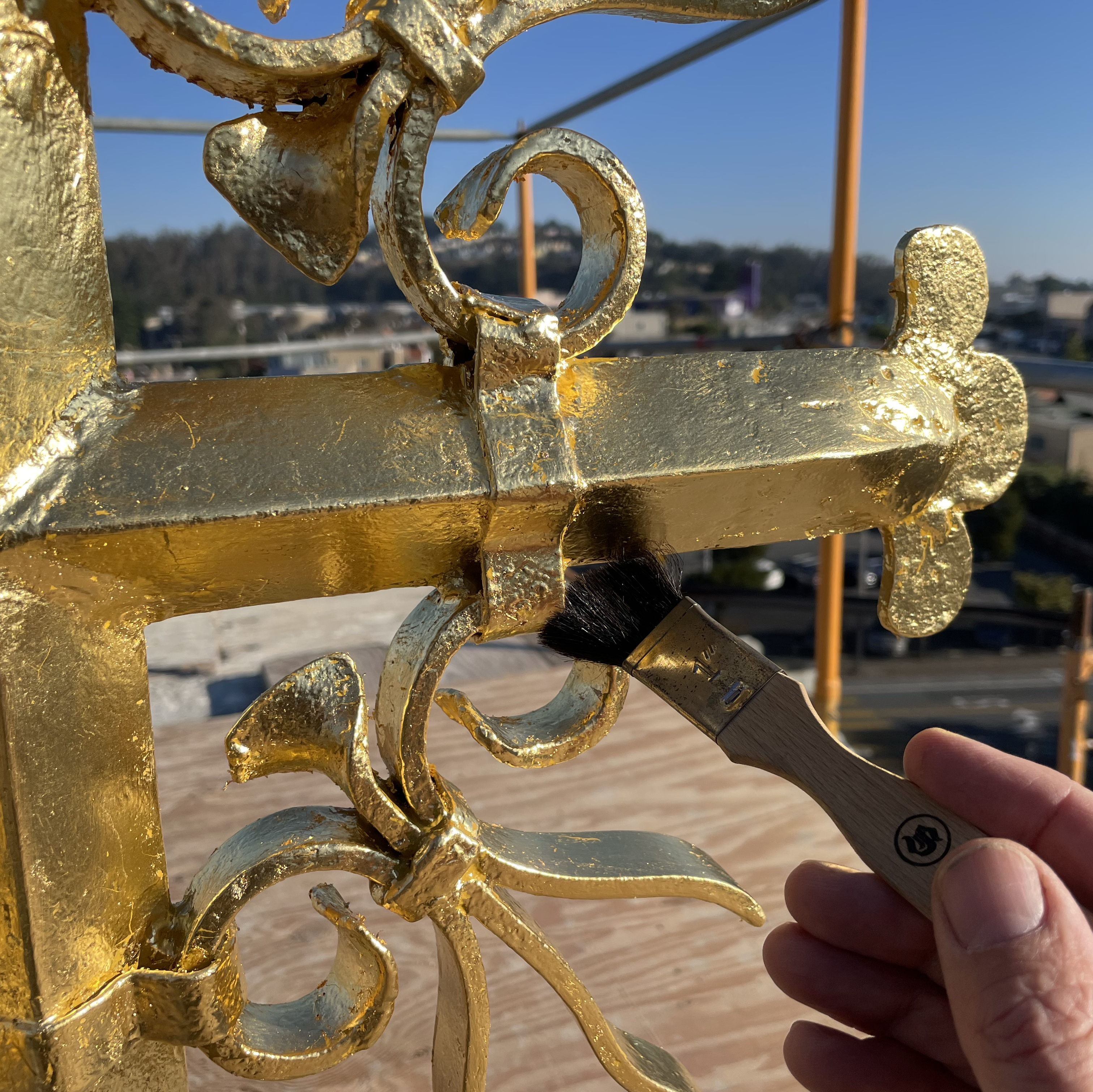
Exterior Gilding
Built for durability, using genuine gold and oil-based systems for long-term outdoor performance.
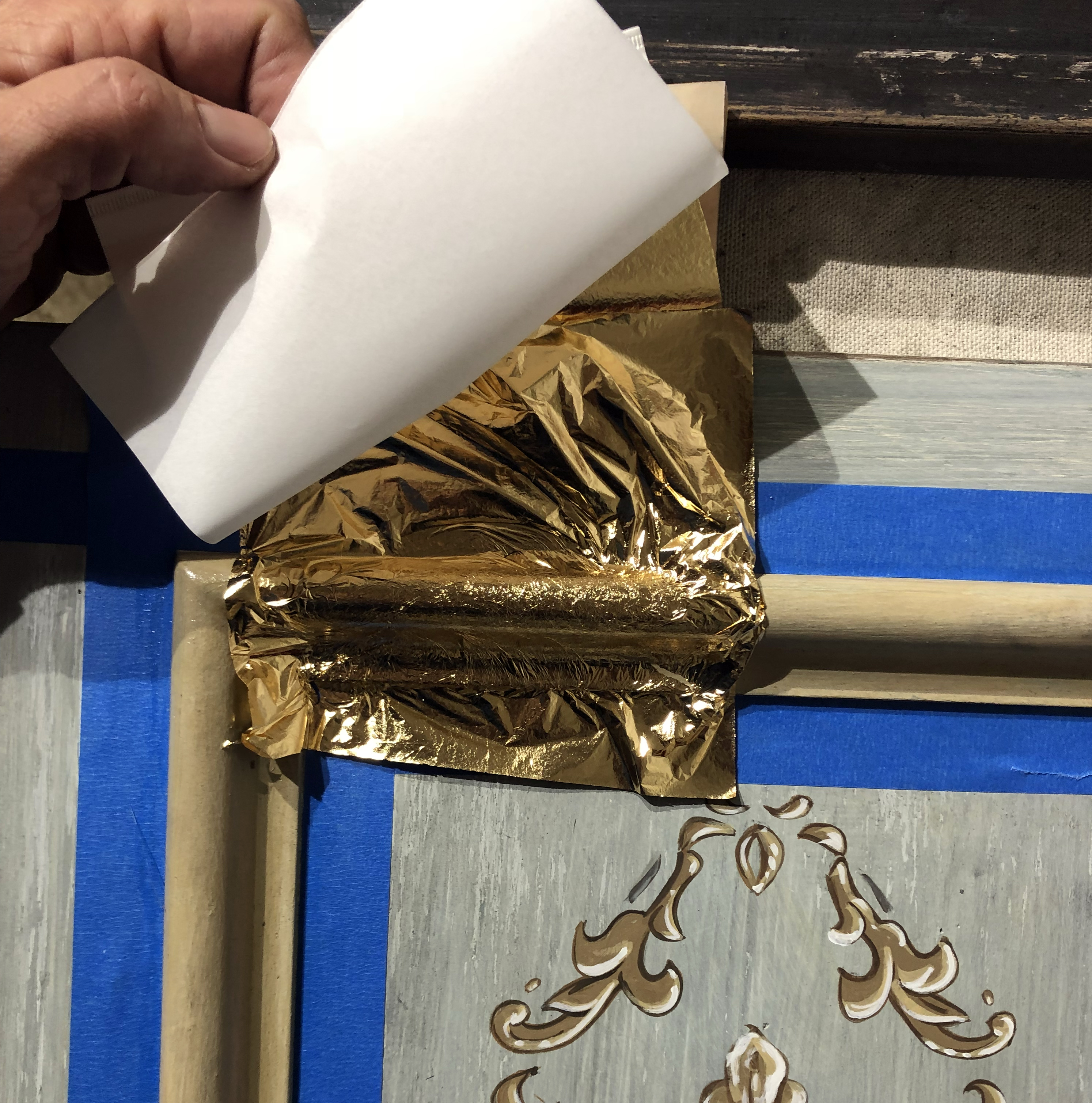
Frames & Furniture
A perfect place to start—high visual impact, approachable techniques, and strong project results.
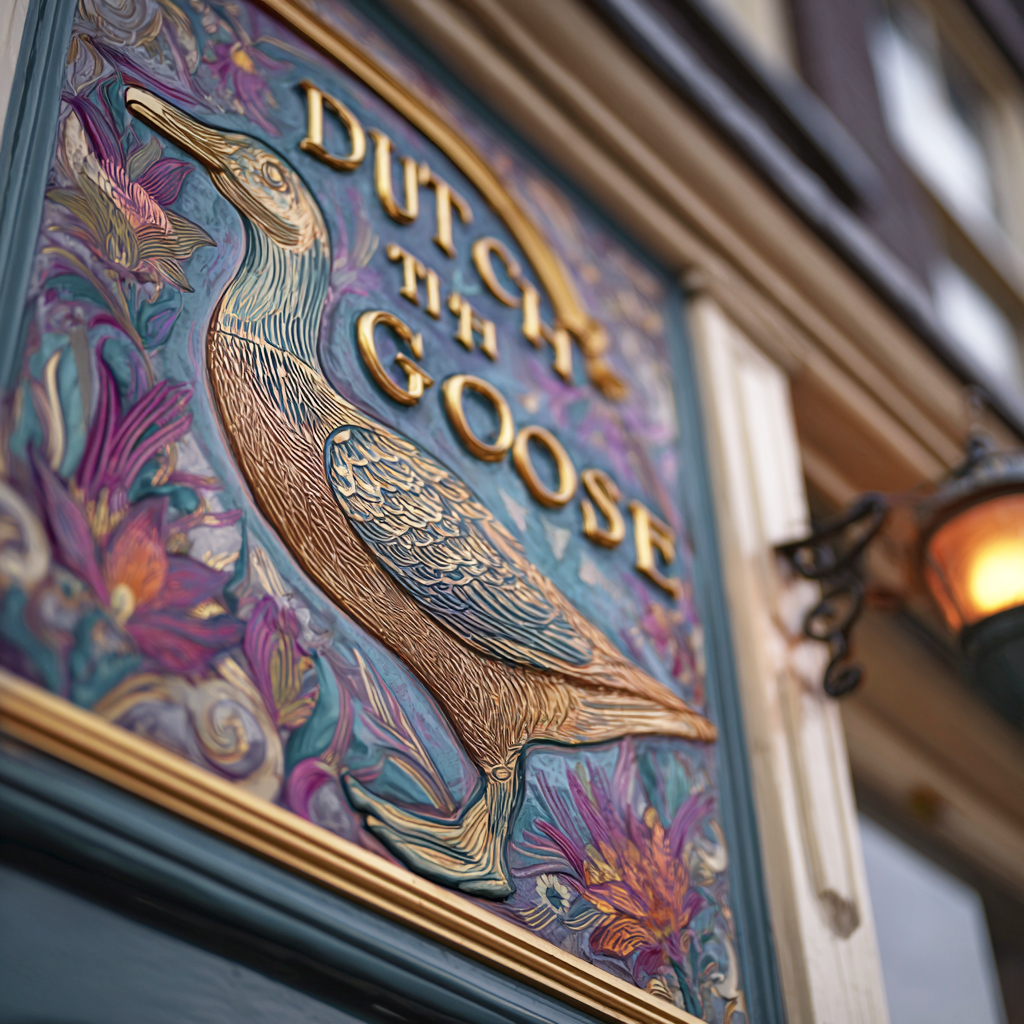
Sign Gilding
Traditional techniques for lettering, glass, and dimensional signage with lasting impact.

Clay & Sculpture
Designed for ceramic, sculptural, and mixed-media work with flexible techniques and creative finishes.
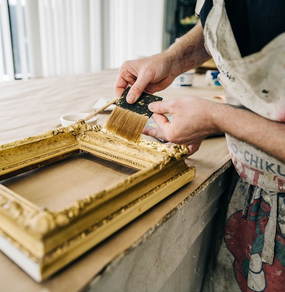
Restoration
For restoration work where genuine gold, durability, and precise technique are essential.
Start with Kits
The easiest way to begin! Complete systems that remove guesswork and help you get better results from your first project.
Buy Genuine Gold
For restoration, high-end work, and projects where durability, permanence, and finish quality matter.
Learn Through a Class
Guided instruction with experienced gilders. Build skills, confidence, and a deeper understanding of the craft.
Browse All Materials
Go directly to gold leaf, sizes, tools, and specialty products across the full catalog.
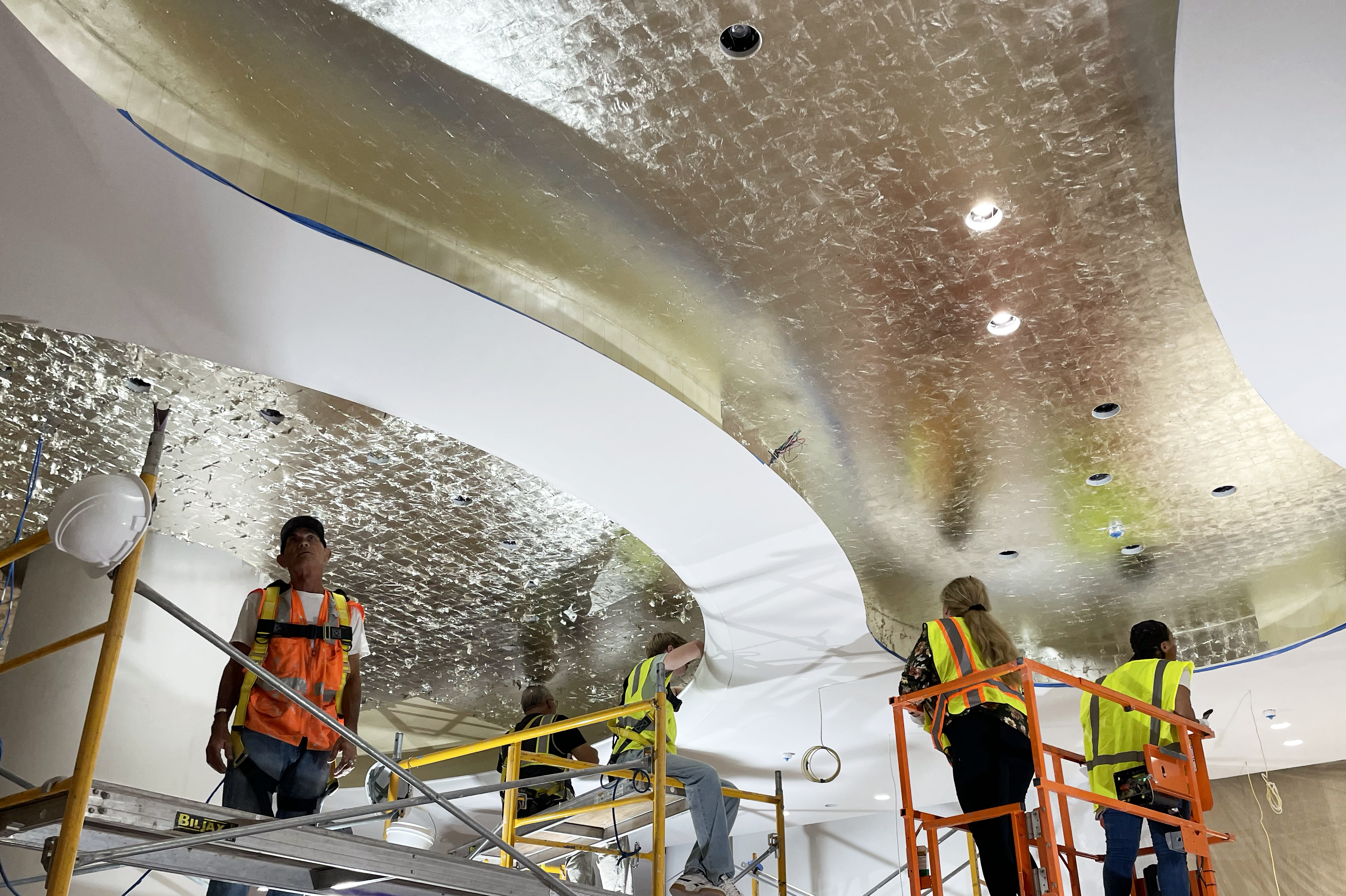
Need a Specific Material?
Genuine Gold Leaf »
Metal and Composition Leaf »
Size and Adhesives »
Join the Resource List
Get tutorials, project guidance, class announcements, and product recommendations.