
Furniture and Frames
Gold leaf, metal leaf, and traditional finishing paths for frames, furniture, and decorative wood surfaces
Frames and furniture are among the most natural and rewarding surfaces for gilding. From antique mirrors and carved moldings to tables, chairs, cabinets, picture frames, and architectural trim, gold leaf and metal leaf can transform ordinary surfaces into objects with depth, contrast, and visual richness. Whether the goal is formal elegance, restoration accuracy, decorative drama, or a softly aged finish, the material system matters as much as the leaf itself.
This landing page is designed to help you identify the correct gilding path for furniture and frame projects. Some surfaces call for traditional water gilding and burnishing. Others are better served by oil or water-based size. Some projects benefit from genuine gold leaf, while others may be ideal for silver, aluminum, copper, or imitation gold leaf followed by toning and protection. The purpose here is to help you choose the right path before you begin buying materials.
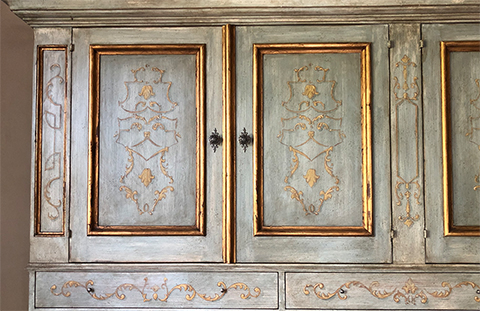
Path 1: Traditional Frames
Best for carved wood frames, mirror frames, ornament, restoration, and any project where the goal is a classic burnished gold finish with real depth and historical character.
This path typically uses gesso, clay bole, genuine gold leaf, gilding liquor, and agate burnishers. It is ideal when the surface deserves a true water gilded finish rather than a simpler adhesive method.
Path 2: Furniture Surfaces
Best for tables, cabinets, chairs, panels, and decorative furniture elements where leaf is used to create a refined interior finish, either bright and clean or softly aged and toned.
This path often uses oil size or water-based size with genuine or metal leaf, followed by protective finishing, glazing, or antiquing depending on the style of the piece.
Path 3: Decorative Accents
Best for moldings, trim, carved details, beading, feet, pulls, borders, and selective highlights where gilding is used to create contrast rather than complete coverage.
This path is ideal for projects where the leaf functions as an accent layer within a larger decorative finish, often paired with paint, glaze, or tonal aging techniques.
Where Furniture and Frame Gilding Fits
Furniture and frame gilding sits at the intersection of decorative arts, restoration, and interior finishing. A frame project may be rooted in museum-level tradition, where bole color, burnishing, and subtle wear patterns matter. A furniture project may be more interpretive, using gold or metal leaf to create a contemporary, classical, rustic, or aged effect. What connects them is the need for a controlled surface, a compatible adhesive path, and a clear finish logic.
That is why this category matters. It is not one technique. It is a family of approaches. Choosing between water gilding, oil size, water-based size, genuine gold, or metal leaf changes not only the look, but the handling, durability, toning options, and overall character of the finished object.
Frames
Ideal for water gilding, bole work, burnished leaf, and historically informed finishing on carved wood and ornamental surfaces.
Furniture
Ideal for size-based gilding systems that allow broader coverage, easier handling, and flexible styling from clean contemporary to aged decorative finishes.
Details
Ideal for selective accents that elevate moldings, trims, carvings, and architectural features without requiring full-surface gilding.
Core Material Decisions
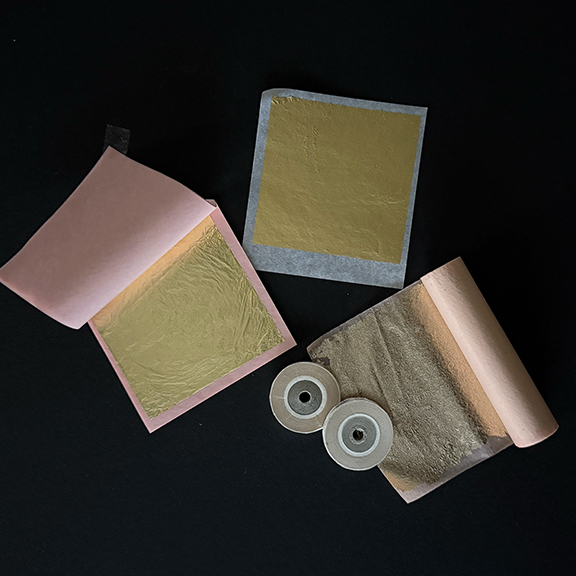
Leaf Type
Choose genuine gold when durability, prestige, and non-tarnishing performance matter. Choose metal leaf when the project calls for silver, copper, champagne, pewter, or imitation gold effects with more flexibility in aging and toning.
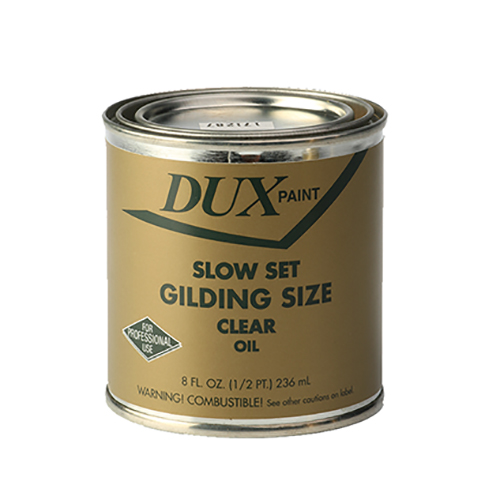
Adhesive Method
Use traditional water gilding for carved frames and high burnish work. Use oil size or water-based size for furniture, broader surfaces, and projects where ease of handling or staged working time is more important.
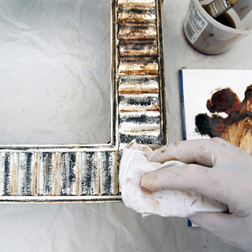
Finish Logic
Some projects end with a bright polished leaf surface. Others require toning, antiquing, glazing, or protective sealing. The finishing plan should be decided before the leaf is laid.
Suggested Starting Sequence
Step 1: Identify the object.
Decide whether you are working on a carved frame, a flat or semi-flat furniture surface, or a decorative detail where selective gilding will be more effective.
Step 2: Choose the system.
Match the project to water gilding, oil size, or water-based size. This decision determines the materials, workflow, and finish potential.
Step 3: Build the finish.
Select the leaf, prep the surface correctly, and decide whether the final effect should be bright, burnished, aged, toned, or sealed for protection.
Working on a Carved Frame?
Start with the traditional path: gesso, bole, genuine gold leaf, and burnishing tools for the classic mirror-and-matte frame finish.
Working on Furniture?
Use a size-based method for cleaner handling and more flexible styling, especially when the project includes broad surfaces, glazing, or protective topcoats.
Need a Clear Product Path?
Start with a kit, then move into leaf, size, and finishing products once the technique and visual direction are clear.
Professional Insight
Furniture and frame gilding often looks simple from the outside because the gold commands attention. In reality, the success of the finish depends on the surface below it. The cleaner the preparation, the more convincing the leaf. The more compatible the adhesive system, the more refined the result. That is why experienced gilders think in layers first and leaf second.
Frames tend to reward traditional methods because they benefit from burnish, bole color, and classic contrast. Furniture often rewards flexibility because it may require broader coverage, more forgiving handling, and a finish that works with the piece rather than overpowering it. The best projects do not begin with “Which gold should I buy?” They begin with “What finish does this object want?”
Need a Specific Material?
Genuine Gold Leaf »
Metal and Composition Leaf »
Size and Adhesives »
Join the Resource List
Get tutorials, project guidance, class announcements, and product recommendations.